

Agricultural twine and rope
Polypropylene, sisal and jute twine for baling, horticulture and packaging. High tensile strength, compatible with standard balers. Delivery throughout the Iberian Peninsula.


EU
Textil Villa de Pego twine range
Baler twine
For round and square balers. High tensile strength for straw, hay, alfalfa and forage. Consistent knots and smooth passage through the knotter.
Material: Polypropylene (PP) / Sisal
10 kg and 20 kg spools | Strength: 90–350 kg
Request a quoteHorticultural twine
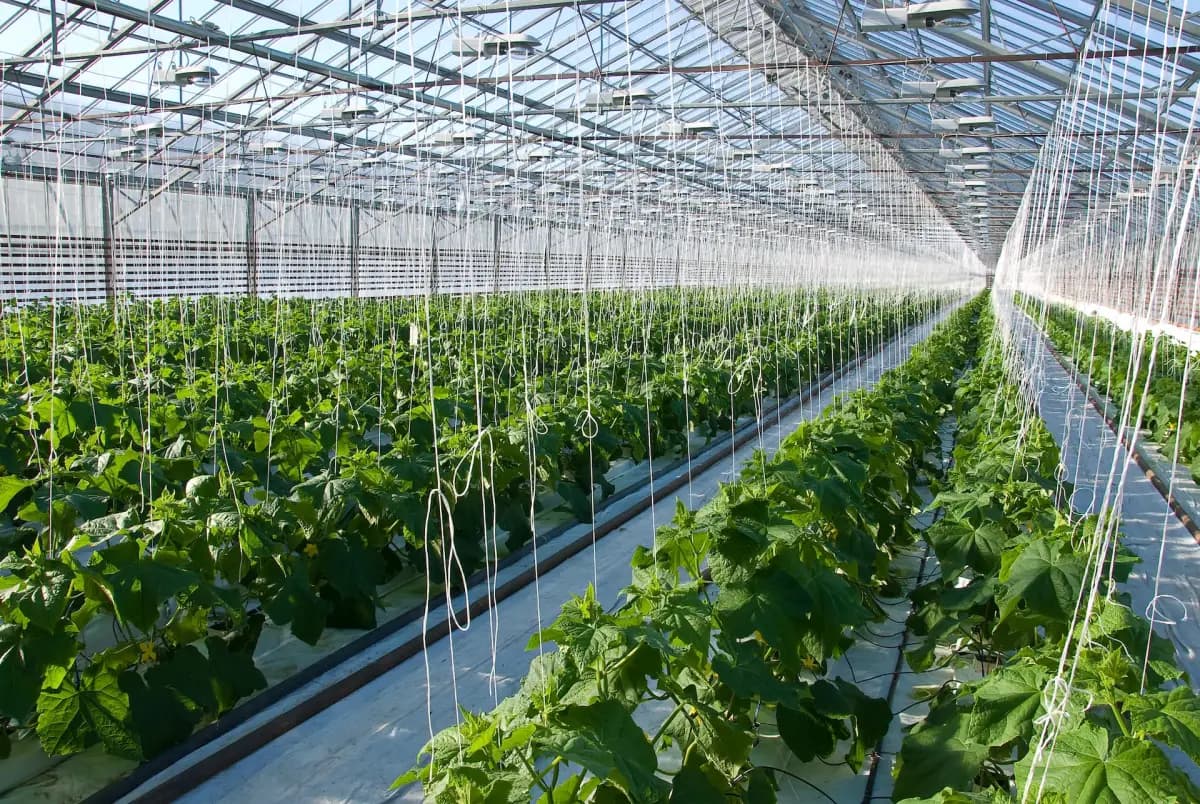
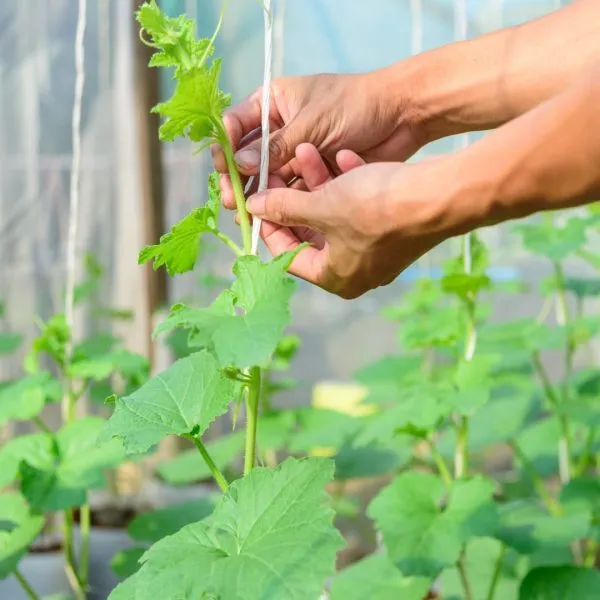
For training tomato, pepper, cucumber and bean plants. Support for climbing plants in greenhouse and open field. Resistant to moisture and phytosanitary products.
Material: Polypropylene (PP) / Jute
2–10 kg spools | Gauges: 1.0–3.0 mm
Request a quotePackaging twine
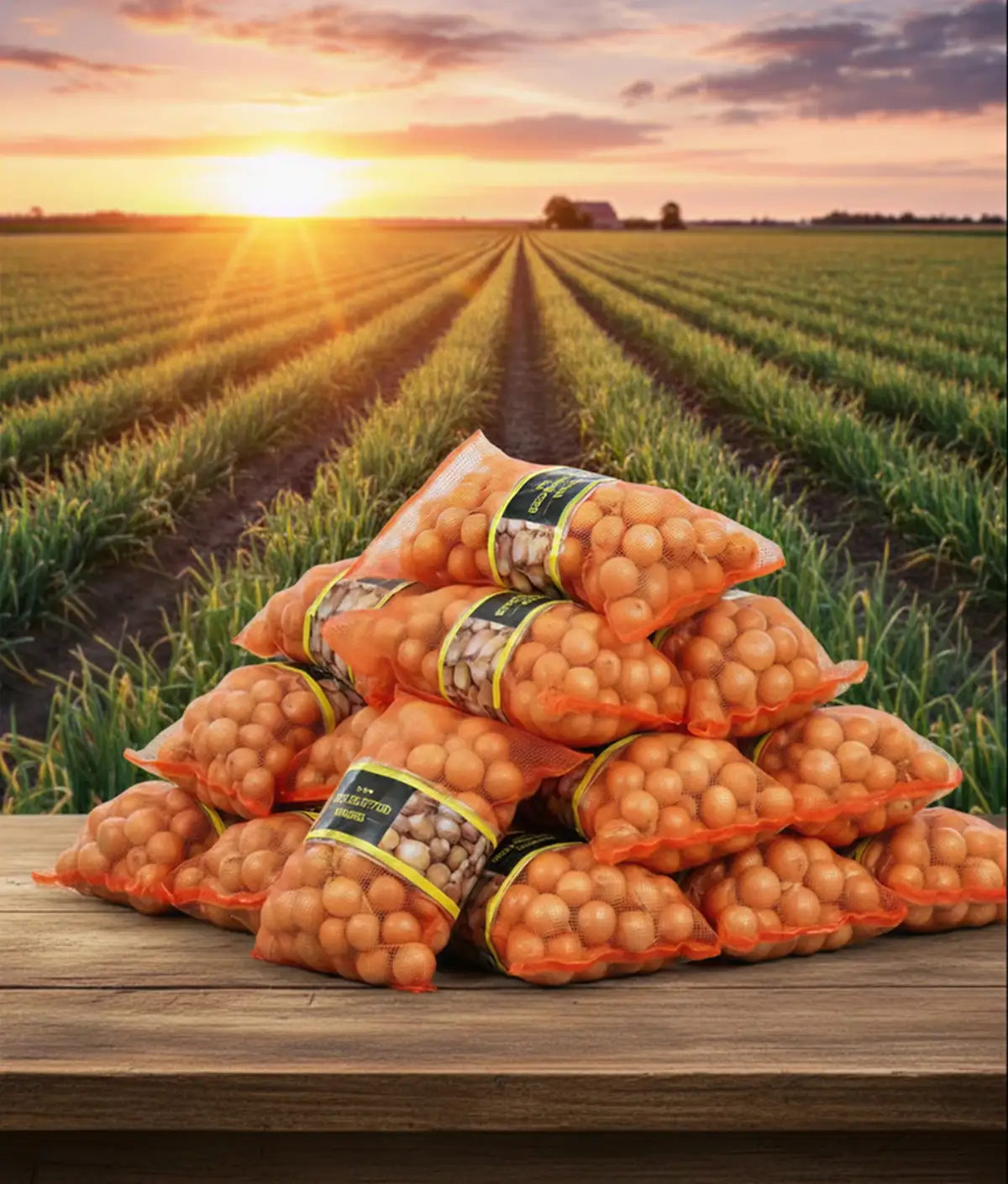
For tying bales, packages and pallets in warehouse and agricultural logistics. Secure closure of onion and potato sacks and bulk products. Abrasion resistant.
Material: Polypropylene (PP) / Jute
2–10 kg spools | Gauges: 1.5–4.0 mm
Request a quoteApplications by crop and use
Cereals and forage
Baler twine for wheat straw, barley, oat bales and hay and alfalfa bales. Compatible with round and prismatic balers.
Vegetables
Horticultural twine for training tomato, pepper, cucumber, aubergine and green bean plants. Ideal for greenhouse and open field.
Fruit trees
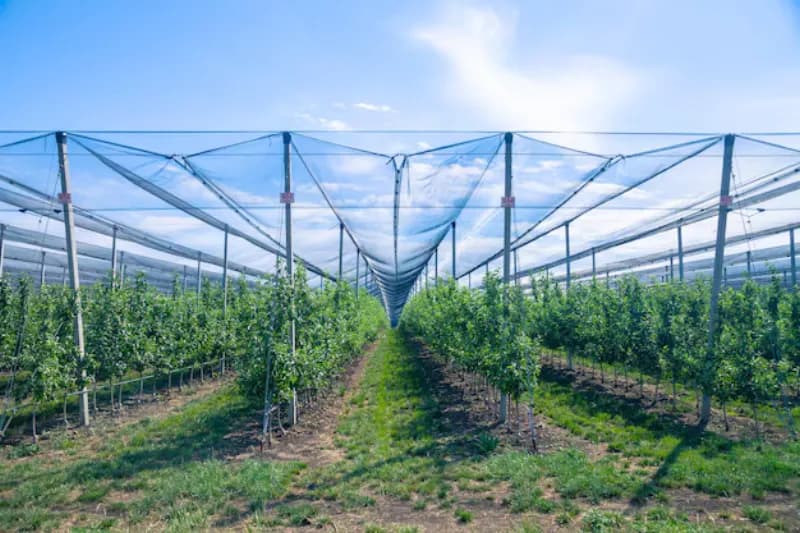
Twine for tying branches, guiding grafts and securing individual protections on citrus, stone fruit and tropical trees.
Vineyard and olive grove
Twine for tying vine shoots to trellises, guiding olive branches and securing harvest nets.
Livestock
Baler twine for hay and straw bales for animal feed and livestock bedding. Strength for high-density bales.
Logistics and warehouse
Packaging twine for tying bales, closing mesh bags, securing pallet loads and batch labelling.
Why does twine quality matter?
Guaranteed strength
Consistent knots and certified tensile strength. Fewer breakages in the field means less wasted time and fewer damaged bales.
Baler compatibility
Calibrated for standard market balers: John Deere, Claas, New Holland, Krone. No jams or constant adjustments.
UV protection
Anti-UV treatment for prolonged outdoor storage. Bales maintain their integrity through months of sun exposure.
Guaranteed length
Every spool meets the declared length. Production quality control to avoid variations that affect baler performance.
Low environmental impact
Options in 100% biodegradable sisal and jute. Polypropylene twines are recyclable as agricultural plastic waste.
Direct delivery
Textil Villa de Pego’s own fleet. Delivery to farm or warehouse throughout the Iberian Peninsula.
Frequently asked questions about agricultural twine
Which twine should I use to tie tomatoes in a greenhouse?
For tomato trellising we recommend horticultural polypropylene (PP) twine of 1.0-2.0 mm diameter, strong enough to guide the stem without damaging the plant. Polypropylene withstands greenhouse humidity and crop protection treatments. For organic growing, biodegradable jute twine is the preferred alternative because it breaks down naturally at the end of the growing season.
What is the difference between natural and synthetic raffia for agriculture?
Synthetic raffia (polypropylene, PP) is stronger, lighter, waterproof and more durable, ideal for balers and for prolonged outdoor storage when UV-treated. Natural raffia (sisal) is biodegradable and does not contaminate forage — the preferred choice on livestock farms, where twine can end up mixed into the animal feed. Jute is biodegradable and economical for temporary ties.
What twine do I need for my baler?
For round balers (John Deere, Claas, Krone): high-strength polypropylene twine (200-350 kg tensile strength). For small square bales (New Holland, Massey Ferguson): sisal or polypropylene twine of 90-150 kg. The gauge must match the specifications of your machine's knotter. Our technical team will recommend the exact twine for your baler.
Polypropylene or jute twine for agriculture: which is better?
Polypropylene is superior in mechanical strength (up to 350 kg), UV durability and moisture resistance — ideal for bales stored outdoors for months. Jute is biodegradable, more economical and suited to temporary ties (2-3 months maximum) and to applications where natural decomposition is required. Sisal combines biodegradability with strength that is adequate for small-bale balers.
How much agricultural twine do I need per hectare?
Consumption varies with the crop, the yield and the bale format. As a guide: for wheat straw in round bales, approximately 2-3 spools of 10 kg per hectare. For alfalfa in small square bales, 3-4 spools of 10 kg per hectare. Request a tailored estimate stating crop, baler, expected yield and area.
Request technical information
Receive detailed datasheets with strength specifications, gauges and available formats for every type of agricultural twine.
Complementary products
Complete your project with these products from our catalogue
Let’s talk about your project
Receive a personalised quote within 24 hours. No obligation.
WWW.TEXTILVPEGO.COM
Manufacturers since 1949